Daily Archives: November 25, 2017

Wassailing means “to wish health to” one’s apple trees, in the hope that they will bear well. In addition, drums, bells, whistles etc. were used either to scare off evil spirits, or to wake the tree up; a libation of cider or ale was poured over the roots, and bread that had soaked in the ‘wassailing’ bowl was placed in the branches – an offering back to the tree.
Note:
Recipes for wassail are numerous and varied. Some call for the use of apple cider, some for wine. The basic idea is that you are making a hot spiced drink and serving it in a bowl amidst love and laughter. Here is a simple recipe that calls for cranberry and orange juice. Feel free to experiment and substitute.
Ingredients:
- 4 cups cranberry juice
- 1/2 cup grenadine
- 2 cups orange juice
- 1/2 cup rum (optional)
- Sugar or honey – to taste
Directions:
Put everything into a large soup or stock pot and bring to a low simmer. If you added honey or sugar, mix gently until it dissolves. Lower the heat and very low simmer the mixture for 2 hours before serving. Keep it on low or use a crockpot on low if serving over hours. The longer you heat, the more infused the flavors will be.
Orange slices or orange wedges studded with cloves, cinnamon sticks, and cranberries can be floated in the pot and simmered along with the rest of the ingredients.
When you are ready to serve your Christmas Wassail, just ladle into your favorite mug and enjoy. This delicious and warm drink is a holiday treat! Garnish with a cinnamon stick if you like.
Source: Earthwitchery
Figgy pudding is a pudding resembling something like a white Christmas pudding containing figs. The pudding may be baked, steamed in the oven, boiled or fried. The history of figgy pudding dates back to 16th century England. Its possible ancestors include savory puddings such as crustades, fygeye or figge (a potage of mashed figs thickened with bread), creme boiled (a kind of stirred custard), and sippets. In any case, its methods and ingredients appear in diverse older recipes.

Today, the term figgy pudding is popularized mainly by the Christmas carol “We Wish You A Merry Christmas,” which includes the line, “Now bring us some figgy pudding” in the chorus.
And here it is (from Food.com) a recipe for Figgy Pudding. This is not a traditional pudding, it’s actually more bread or cake-like. The taste may be a little strange to some, but it smells and tastes like Christmas. The figgy pudding should always be served warm. If you can’t serve it fresh out of the oven, it will taste just fine to warm it in the microwave for a few seconds.
Ingredients:
- 16 ounces dried figs
- 1 3/4 cups milk
- 1 1/2 cups all-purpose flour
- 1 cup sugar
- 2 1/2 teaspoons baking powder
- 1 teaspoon ground nutmeg
- 1 teaspoon ground cinnamon
- 1 teaspoon salt
- 3 eggs
- 1/2 cup melted butter
- 1 1/2 cups breadcrumbs
- 1 tablespoon grated orange peel
Directions:
Preheat oven to 350 degrees F. In a a medium saucepan, heat milk and chopped figs over medium-low heat but do NOT bring to a boil. Cook for 10-15 minutes stirring occasionally. The the milk will soften the figs.
In a medium bowl mix flour, sugar, baking powder, nutmeg, cinnamon, and salt. In a large bowl, beat eggs one minute on high. Reduce speed to low and add butter, bread crumbs, orange peel, and warm fig mixture. Slowly incorporate flour mixture. Beat until just blended.
Pour the mix into the greased bundt pan. Level top as much as possible. Cover the mold with a piece of aluminum foil greased on one side, greased side down. Place the mold in a roasting pan and place on oven rack. fill with hot tap water 2 inches up the side of the mold. Bake for 2 hours or until the pudding is firm and it is pulling away from the side of the bundt pan.
Remove the pudding from the water bath. Remove the foil and cool on a wire rack for 10 minutes before unmolding. Invert bundt pan onto a serving plate and remove mold. It should come away easily.
Serve with a hard sauce.
Yes you can have a family Yule celebration and still have a holiday tree, and hang stockings with care by the fire.
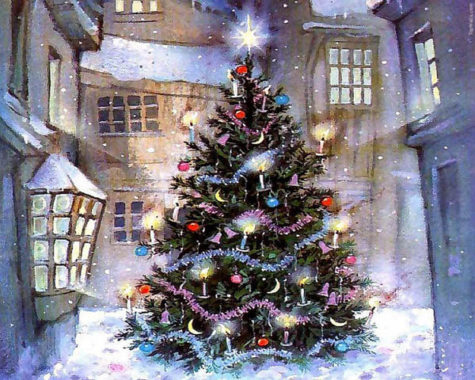
During the Roman festival of Saturnalia, celebrants often decorated their homes with clippings of shrubs, and hung metal ornaments outside on trees. Typically, the ornaments represented a god — either Saturn, or the family’s patron deity. The laurel wreath was a popular decoration as well. The ancient Egyptians didn’t have evergreen trees, but they had palms — and the palm tree was the symbol of resurrection and rebirth. They often brought the fronds into their homes during the time of the winter solstice.
Early Germanic tribes decorated trees with fruit and candles in honour of Odin for the solstice. These are the folks who brought us the words Yule and wassail, as well as the tradition of the Yule Log!
In other words, if you want to have a decorated tree for the holiday, don’t let anyone tell you it doesn’t have Pagan origins. And if you’d like to go for a more authentic pagan look, there are a ton of other things out there you can use.
Here are some ideas:
- Suns and solar ornaments – raid the craft stores and find stars to turn into suns
- Gods Eyes – make then out of cinnamon sticks and seasonal coloured yarn or ribbons
- Pentacles – make them out of shiny chenille stems, bent into stars with circles around them
- Natural objects like acorns, feathers, holly, mistletoe or pine cones
- Lights, lights, and more lights
- Magical items – cups, wands, or daggers
- Fertility symbols – eggs, antlers, horns
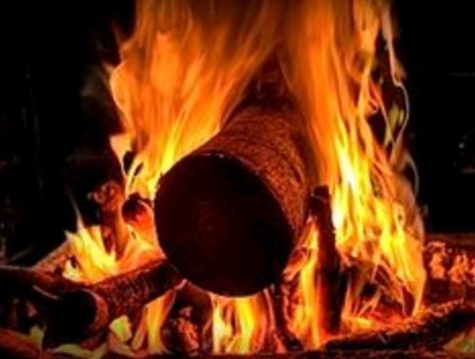
On the winter solstice, on the longest night of the year, people would place and set afire an entire tree, that was carefully chosen and brought into the house with great ceremony. The largest end of the log would be placed into the fire hearth while the rest of the tree stuck out into the room! The log would be lit from the remains of the previous year’s log which had been carefully stored away and slowly fed into the fire through the Twelve Days of Christmas.
It was considered important that the re-lighting process was carried out by someone with clean hands.
Tradition has it that the burning of the Yule log was performed to honor the Great Mother Goddess. The log would be lit on the eve of the solstice using the remains of the log from the previous year and would be burned for twelve hours for good luck and protection.
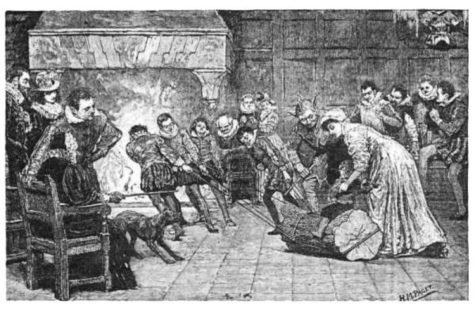
As the fire began all other lights would be extinguished and the people would gather round the fire. In thanksgiving and appreciation for the events of the past year and in bidding the year farewell each person would toss dried holly twigs into the fire.
The next phase of the burning of the Yule log commenced with people tossing oak twigs and acorns into the fire and they would shout out their hopes and resolutions for the coming New Year and sing Yuletide carols. The celebration of the Yule log fire ended with unburned pieces of the Yule log saved to start the fire of next winter’s solstice Yule log.
The custom of the Yule Log spread all over Europe and different kids of wood are used in different countries. In England, Oak is traditional. The “mighty oak” was the most sacred tree of Europe, representing the waxing sun, symbolized endurance, strength, protection, and good luck to people in the coming year. In Scotland, it is Birch; while in France, it’s Cherry. Also, in France, the log is sprinkled with wine, before it is burnt, so that it smells nice when it is lit.
The earliest Yule Log in France can be traced back to Celtic Brittany. When the Catholic Church stamped out the Pagan tradition, it adapted. In the 12th century, the ceremony became more elaborate.
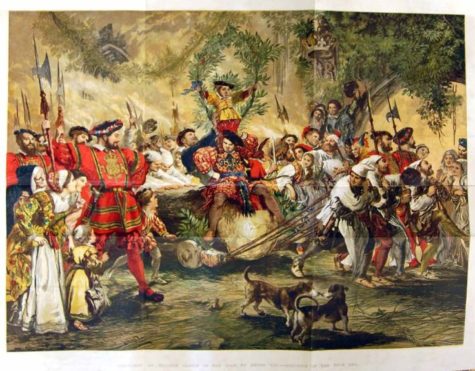
Families would haul home enormous logs and in some regions, the youngest child was allowed to ride the log home. As families dragged their logs home, passers by would raise their hats because they knew the log was full of good promises and its flame would burn out old wrongs.
For the Vikings, the yule log was an integral part of their celebration of the solstice, the julfest; on the log, they would carve runes representing unwanted traits (such as ill fortune or poor honor) that they wanted the gods to take from them.
People would also use the log as a way to predict events in the upcoming year. They would hit the burning log with tongs and the embers emitted would tell them what the harvest would be like. The more embers, the more corn. The fire was read and predictions were made for the coming year based on the sparks and flames they saw, like how many chickens or calves would be born, marriages in the family, health, wealth, etc. If the fire cast shadows on the wall, there would be a death in the family that year.
The remaining cinders would be placed in the soil so they would prevent grain diseases and produce a good harvest. They’d be spread around chicken coops to keep away foxes and in the barns and lofts where corn was stored to keep rats and weevils away. During a storm, throwing a handful into the fire would keep the house safe from lightening.
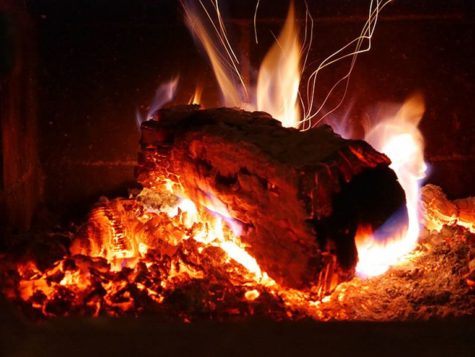
The ashes of the Yule Log were believed to hold magical and medicinal powers that would ward off evil spirits for the coming year. Ashes from the Yule log are very beneficial to garden plants, however, it is considered very unlucky to throw out the ashes of the Yule log on Christmas day.
Various chemicals can be sprinkled on the log like wine to make the log burn with different colored flames! Here’s a short list. Be sure to follow safety precautions if you plan on using them!!
- Potassium Nitrate = Violet
- Barium Nitrate = Apple Green
- Borax = Vivid Green
- Copper Sulphate = Blue
- Table Salt = Bright Yellow


I think it's time to go shopping... maybe even buy some really cool stuff at my online shops!!
